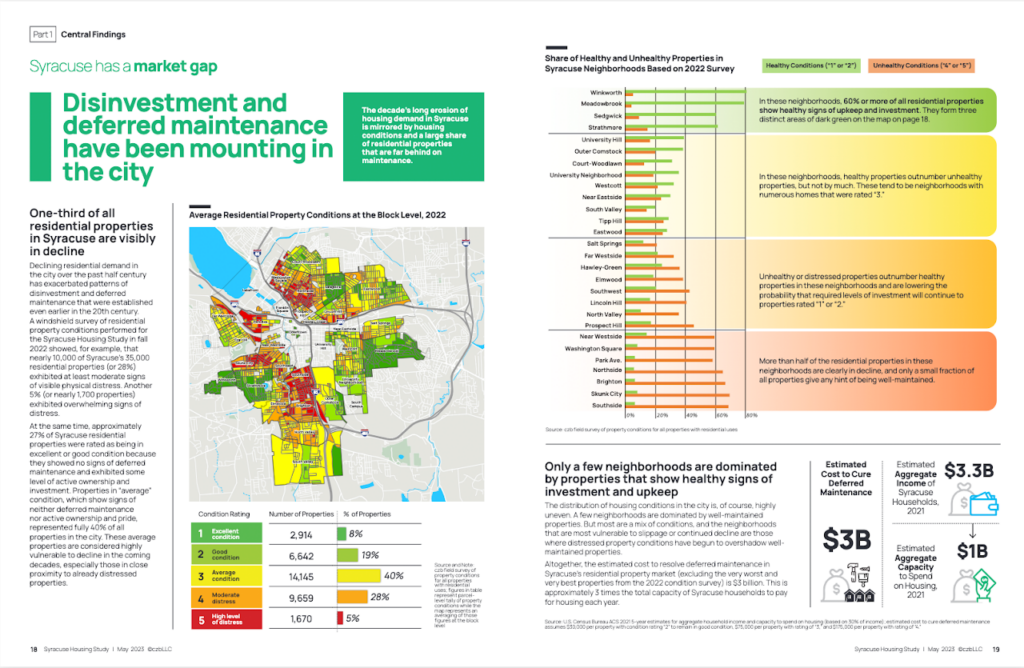
In the spring of 2023, CZB completed a housing study for the City of Syracuse that revealed two distinct housing gaps hiding inside what looked like one problem: a market gap, reflecting higher-income households unwilling to pay for good housing in the city, and an affordability gap, reflecting lower-income households unable to afford good housing in the city. Closing the market gap called for revitalization work to rebuild demand and strengthen the market. Closing the affordability gap called for strategically assisting economically vulnerable households. The real challenge was building one strategy that could actually do both.
The combined cost of addressing every revitalization and affordability need in Syracuse was likely more than a billion dollars, an amount the city would struggle to ever assemble. The real question wasn’t how to solve everything. It was how much smaller amounts of investment could be deployed strategically to make a genuine difference. Focusing limited resources, rather than spreading them thin across the whole city, became the most important theme running through the entire strategy.
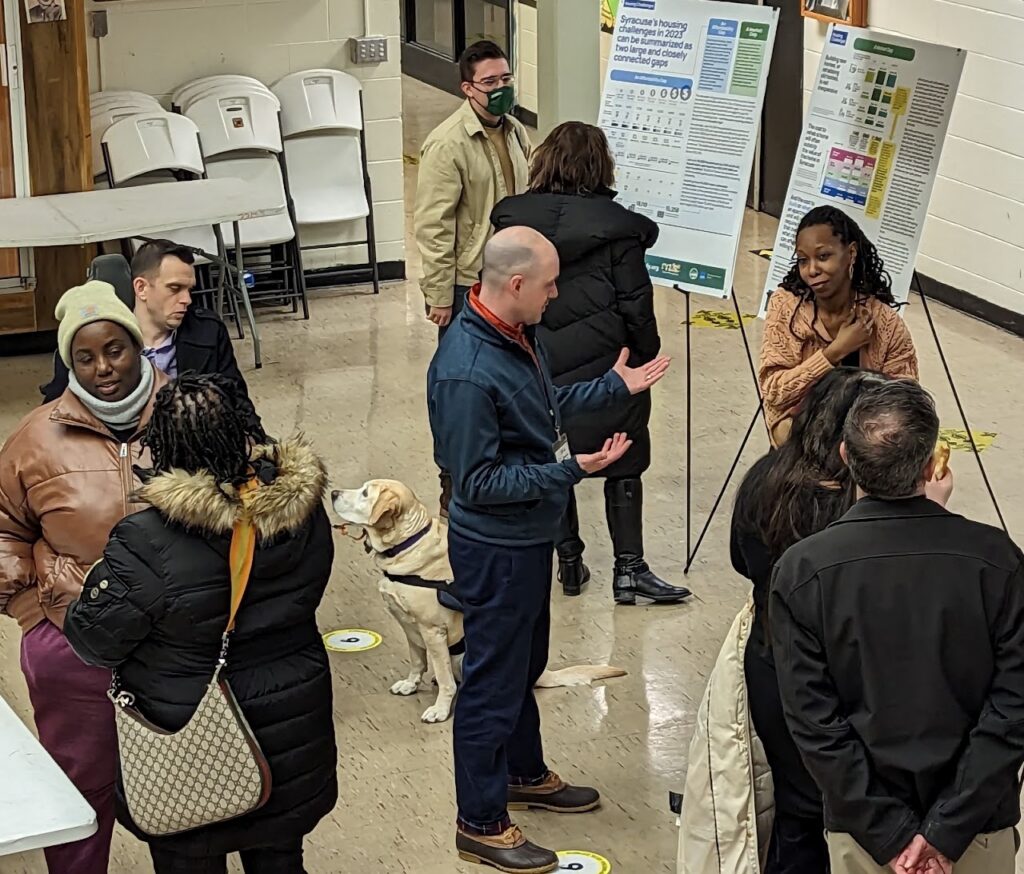
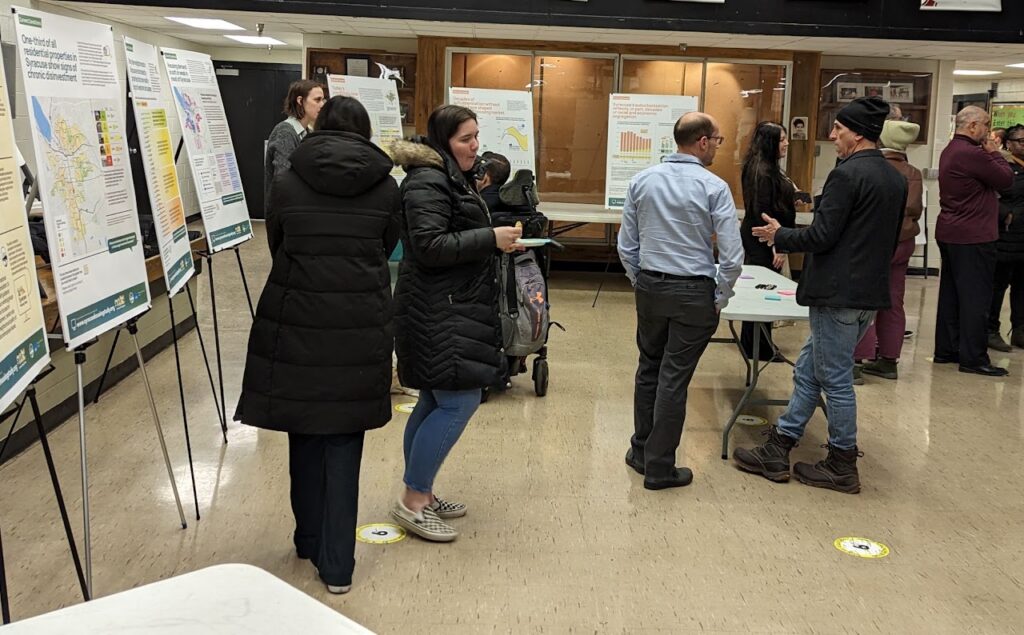
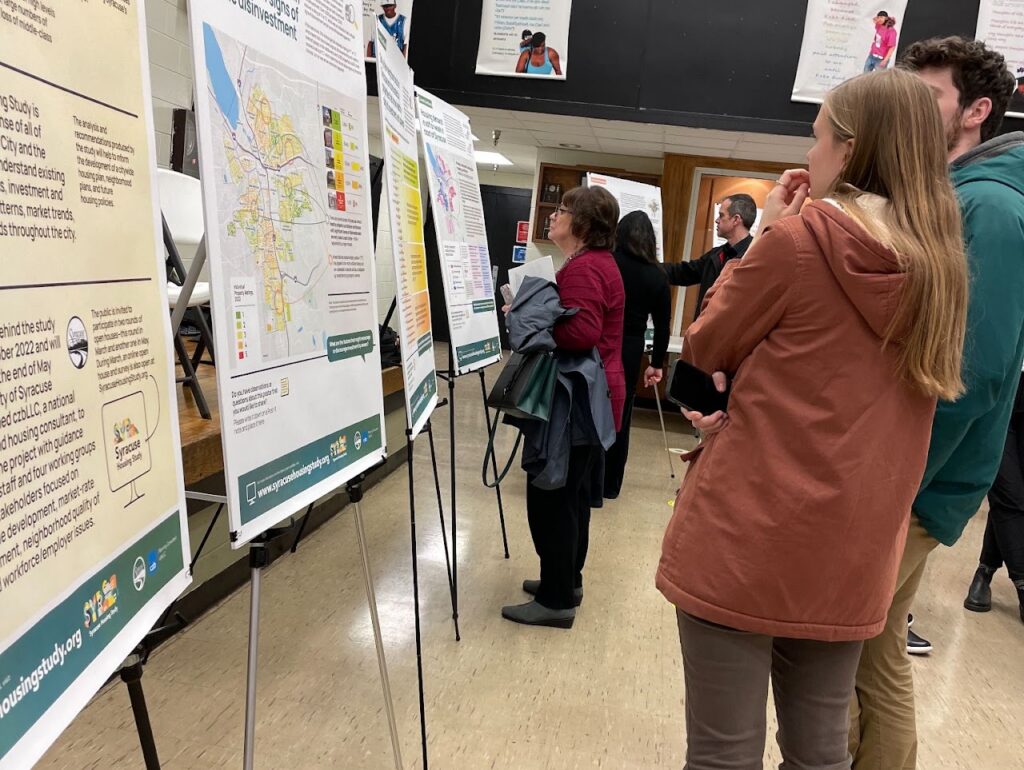
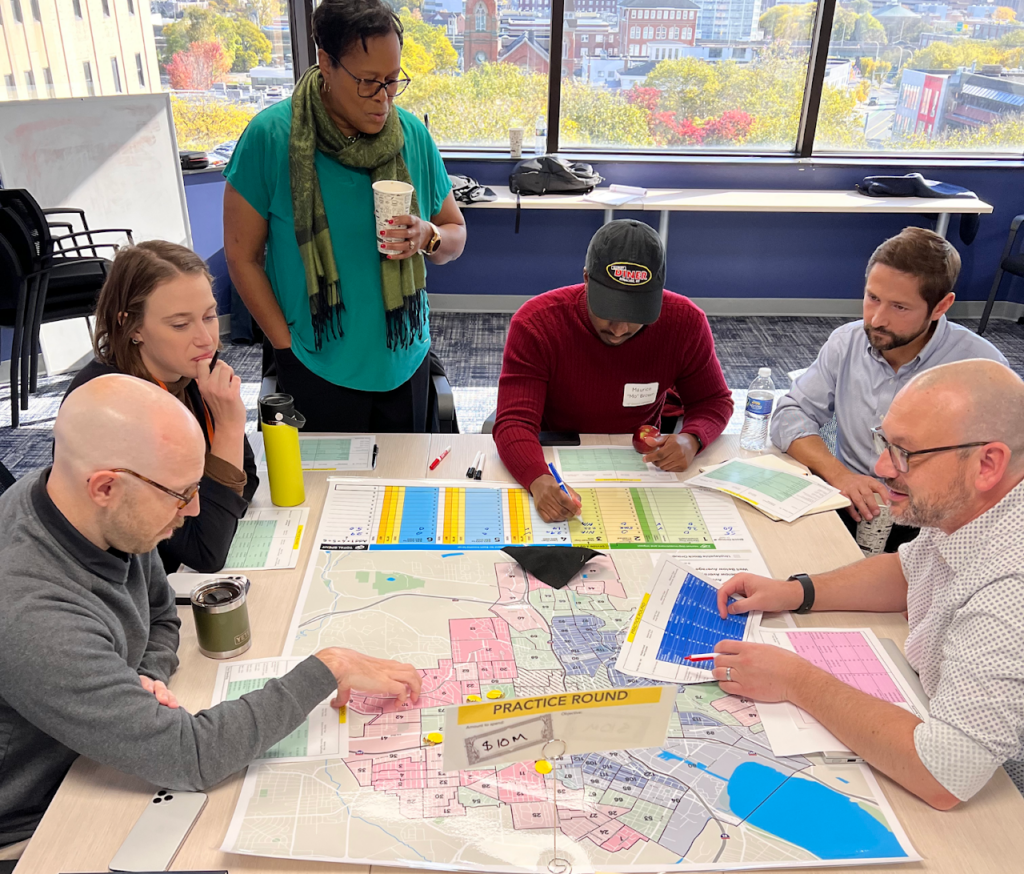
In 2024, CZB worked with the City of Syracuse and a steering committee of more than two dozen stakeholders and professionals appointed by Mayor Walsh to craft a strategy built around that reality. CZB facilitated a series of discussions and interactive exercises with the committee to work out the principles that would guide difficult resource decisions, with an eye toward genuine public agreement and lasting support. Rather than attempt everything citywide, the strategy recommended concentrating early implementation in four pilot neighborhoods: Eastwood, Elmwood, Salt Springs, and Tipperary Hill. From the fall of 2024 through the spring of 2025, CZB and City staff worked directly with resident committees in each neighborhood to identify issues, opportunities, and intervention approaches for a decade-long plan of work in every area.
The strategy was adopted unanimously by the Syracuse Common Council in September 2024 and moved quickly into implementation, including the creation of a Housing Trust Fund and detailed implementation plans for the first four neighborhoods.

Reach out for more information about this project or to see the final document.