Wheat Ridge grew out of an agricultural history in unincorporated Jefferson County and incorporated in 1969 largely to avoid annexation by Denver or a neighboring community. It wasn’t born out of a desire to plan for life as a modern Denver suburb, and for decades, it didn’t especially need to. That changed as the Denver region strengthened through the 21st century and Wheat Ridge’s population turned over. The city faced real housing and development pressure from a strong regional market, while playing catch-up on the infrastructure and amenities its changing resident base expected.
Wheat Ridge wasn’t just modernizing for its own sake; it was adapting to constraints few comparable suburbs face in the same way. With few remaining greenfield sites, nearly all future growth would have to come from development and redevelopment woven directly into existing neighborhoods, not built on open land at the edges. Becoming the best version of itself meant finding a way for new investment and long-standing residential neighborhoods to genuinely coexist, not just tolerate each other.
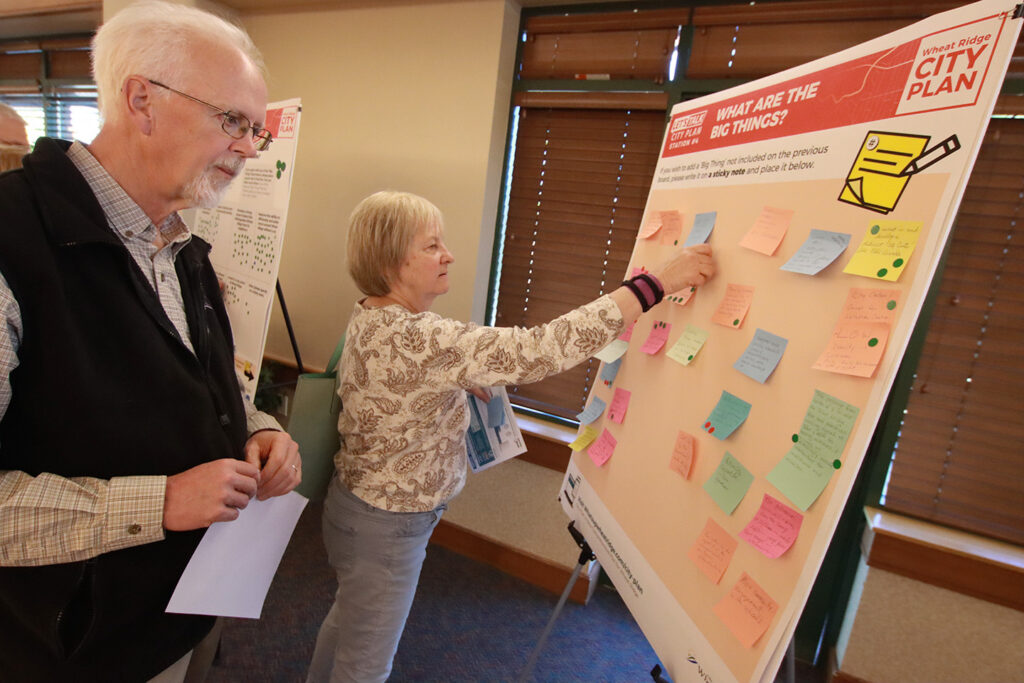
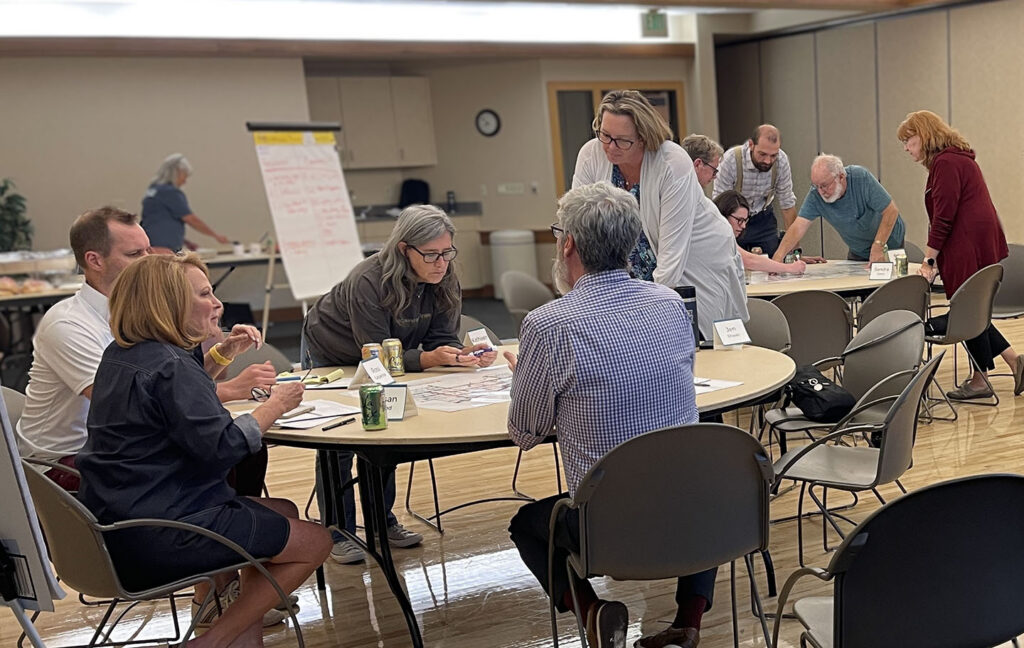
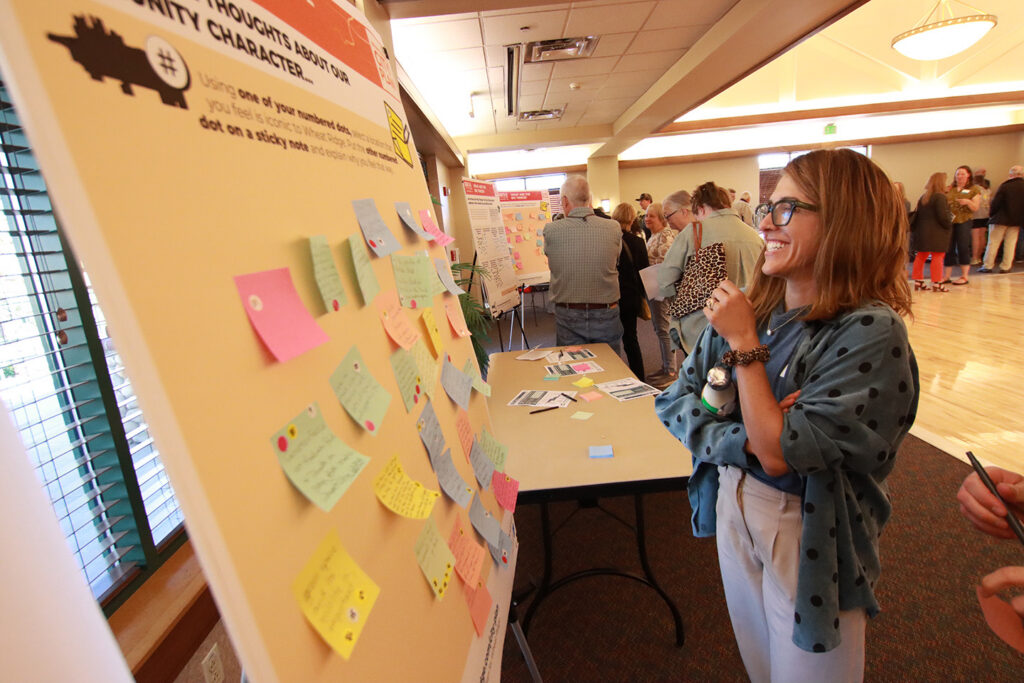
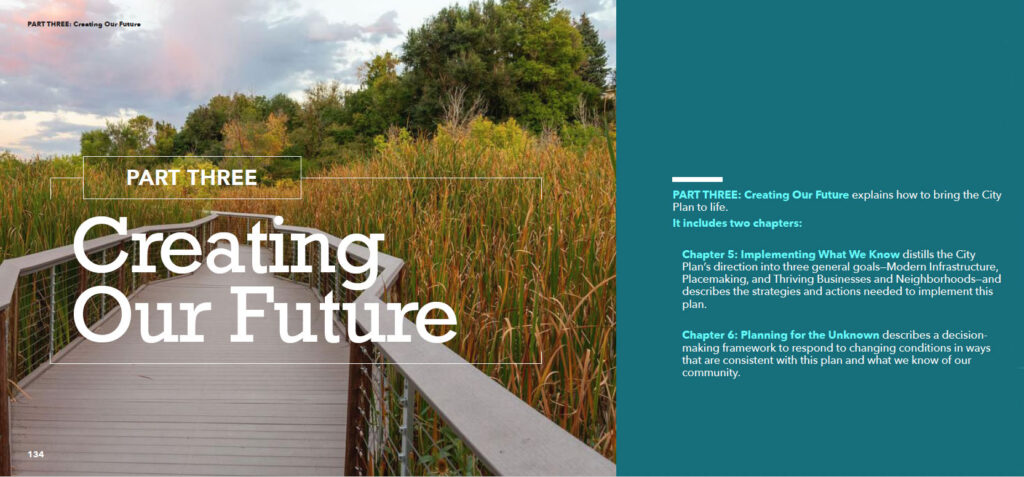
CZB was retained through a competitive process to write a new comprehensive plan, the Wheat Ridge City Plan, built around four key priorities, including a more robust bicycle and pedestrian network and a strengthened retail environment. The plan also developed a sophisticated approach to curating development and redevelopment across a city with limited greenfield land, designed specifically to protect peaceful coexistence between new projects and existing residential neighborhoods. The planning process itself checked in with the community at every step, running multiple engagement rounds where prior public input was reflected back and reality-tested, and where the latest thinking from CZB and city staff was shared for feedback. Each round paired an in-person event with a matching online opportunity, so no one had to choose between showing up and being heard.
The Wheat Ridge City Plan was adopted in September 2025, giving the city a clear, homegrown framework to continue modernization and increase its desirability as a place to live, without losing what makes its neighborhoods work.

Reach out for more information about this project or to see the final document.