/

Fargo, ND

Fargo’s “Plan to Code” method, in practice

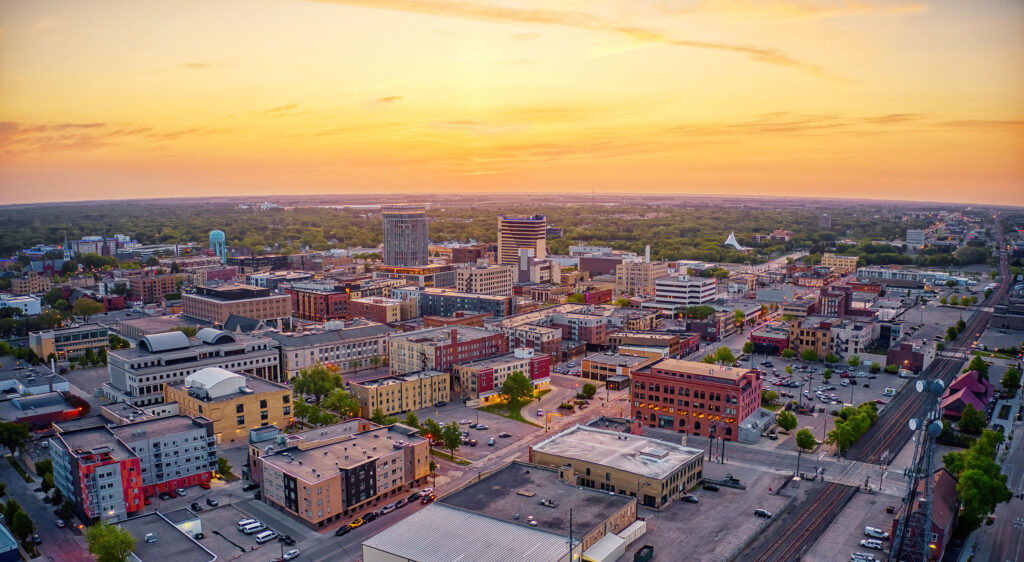
CZB FARGO SKYLINE

Fargo's "Plan to Code" method, in practice

The Challenge

Fargo had spent a decade and a half building a consistent vision across plan after plan, including its recently adopted growth plan: a city that grows and redevelops around more connected, walkable, memorable places. But Fargo’s land development code, last updated in 1998, didn’t reflect that vision beyond the downtown core. Outside of it, achieving anything close to the outcomes the city’s plans called for meant tedious, unpredictable negotiations through conditional overlays and planned unit developments, project by project.

What Became Clear

The gap wasn’t in what Fargo wanted. It was in the code standing between that vision and what could actually get built. After CZB’s Fargo Growth Plan was adopted in 2024, the City of Fargo turned back to CZB to rewrite the land development code itself, applying CZB’s “Plan to Code” method: picking up directly where the growth planning process left off and translating the plan’s goals into testable scenarios for Fargo’s specific development contexts, to confirm the outcomes the city was actually seeking.

Client

City of Fargo, North Dakota

Services

Land Development Code, Plan to Code Implementation, Development Standards, Stakeholder Engagement

Timeline

Dec. 2024-Present

Team

CZB

The Strategy

The project began in December 2024 and is estimated for completion in December 2026. CZB’s team started by translating the growth plan’s goals into testable development scenarios, producing a preliminary district framework and clear direction for new development standards by the summer of 2025. That work has continued alongside teams of technical staff from the City of Fargo, along with focus groups of neighborhood advocates, designers, builders, and developers, to pressure-test the code against real-world conditions before it’s finalized.

The Impact

IN PROGRESS: The new code is on track to put more than a decade of Fargo’s planning into law, while accounting for how different the city’s development contexts really are: greenfield growth on the periphery, suburban retrofit opportunities along aging corridors, and infill and character preservation in older neighborhoods. The project remains underway, with completion expected in June 2026.

Reach out for more information about this project or to see the final document.

Related work

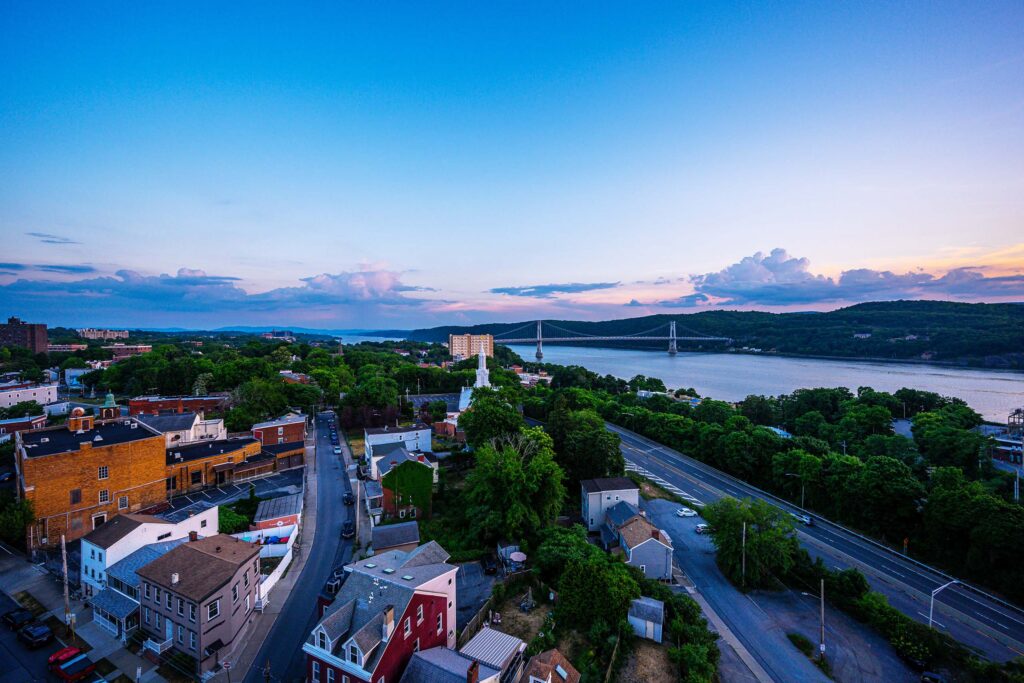
CZB_Poughkeepsie view to Mid-Hudson bridge

PK4Keeps: A shared vision for the city’s future

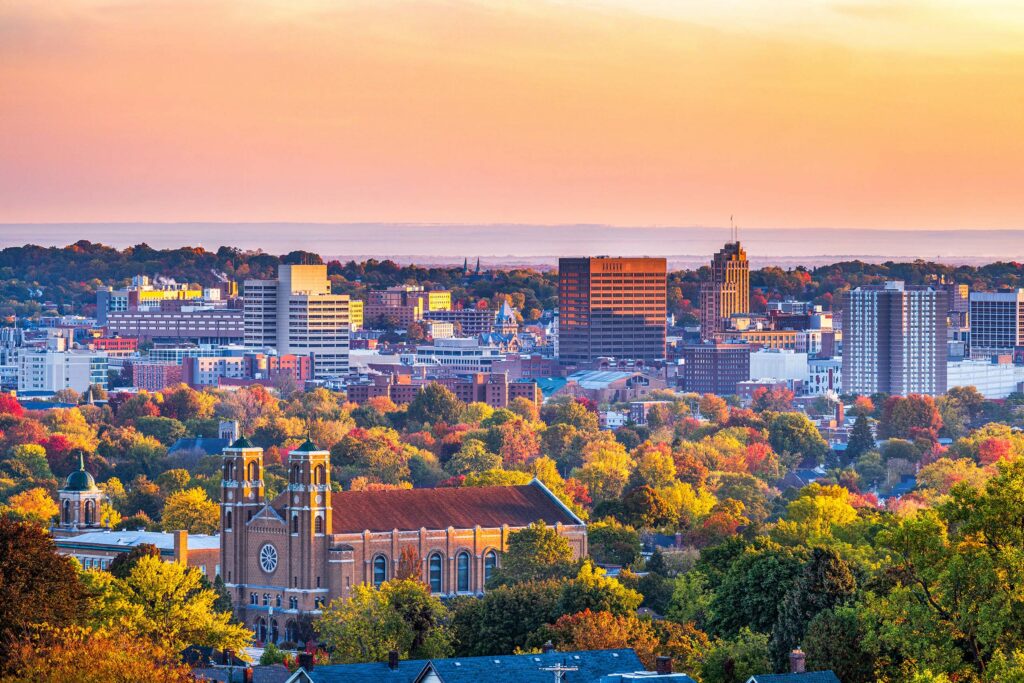
CZB_SYRACUSE NY SKYLINE

A billion-dollar gap, and a plan Syracuse could actually afford

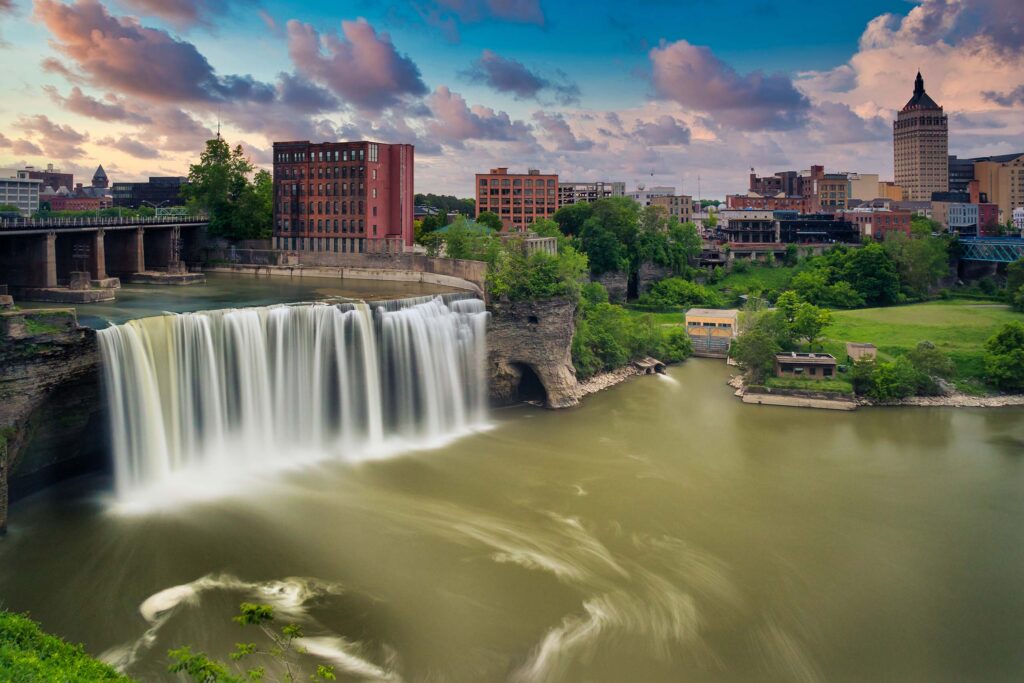
CZB_ROCHESTER NY SKYLINE

The data behind Rochester’s hardest housing truths